Fine Art Including The Sir Robert Jones Estate Thursday, 26 March 2026 / 6:00 pm start
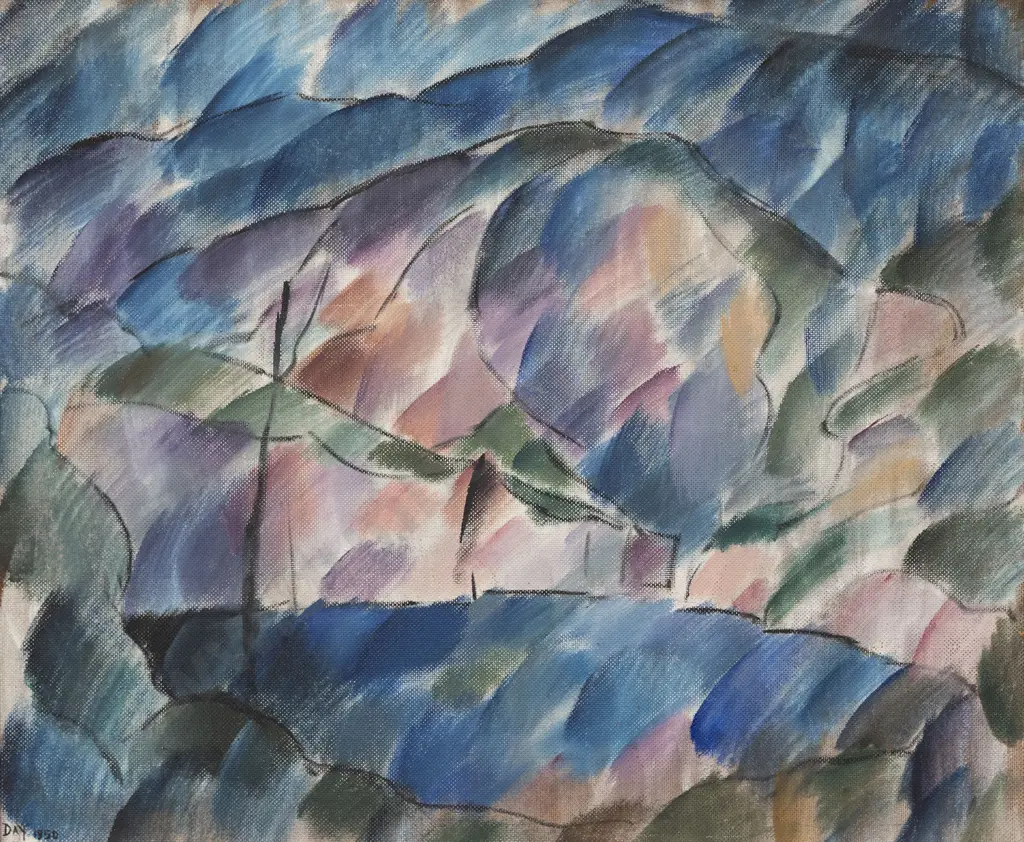
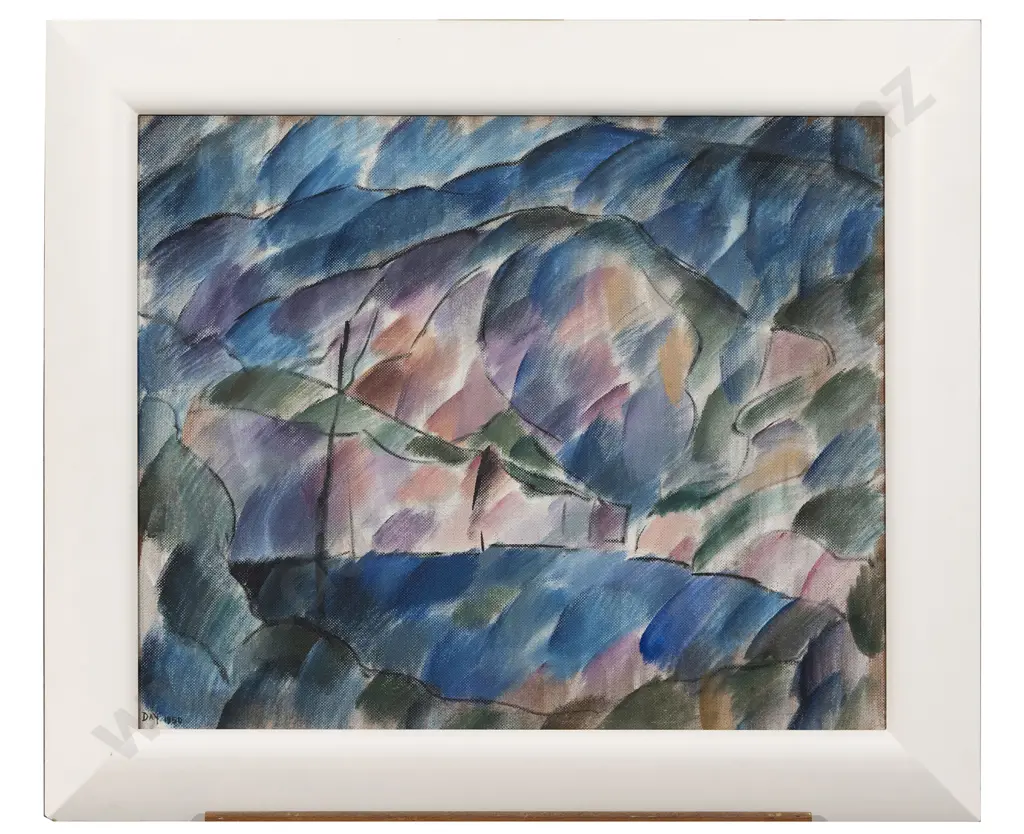
Melvin Day - Waimangu
Lot Details
Melvin Day (1923 - 2016) Waimangu oil on board signed & dated 1950 lower left 570 x 695mm Provenance The Oroya and Melvin Day Trust Melvin Day: Waimangu, (Cézanne style), 1950 Collection of the Oroya & Melvin Day Trust Throughout the late 1940s and 50s, Melvin Day gleaned information about Cubism from a range of sources; through lessons with prominent painter John Weeks (1886 – 1965), contact with largely self-taught artist Dr Wilfred Stanley Wallis (1891-1957) … and via images reproduced in books and magazines .. Before is first trip to Europe in 1951, Day imbued his painting with a raw compositional charge reflecting his less self-conscious engagement with modern art. Just as it had been in Europe, Cubism was a disruptive force in New Zealand art, challenging expectations of representation, and Day’s early work embraces that spirit of experimentation with stark new geometries. His curiosity to test new methods and ideas is visible as once peaceful landscapes are shattered and remade … the first phase of his Cubist painting contains some of his most profoundly explorative canvases … Despite Day’s significance as an early practitioner and recorder of the style’s impact on New Zealand [art], the full extent of his early Cubist paintings has only recently come to light … Art historian Gordon H Brown observed a growing interest in Cubism towards the 1950s, and Day’s engagement with the style coincided with that of other artists, including Auckland-based Louise Henderson and Colin McCahon . 1: Julia Waite: Thermal Cubism, pages 44-45, Chapter 4 in Melvin Day – Artist, Gregory O’Brien and Mark Hutchins-Pond, co- published by Victoria University Press and Waikato Museum Te Whare Taonga o Waikato, 2019
Other items you may like from this sale
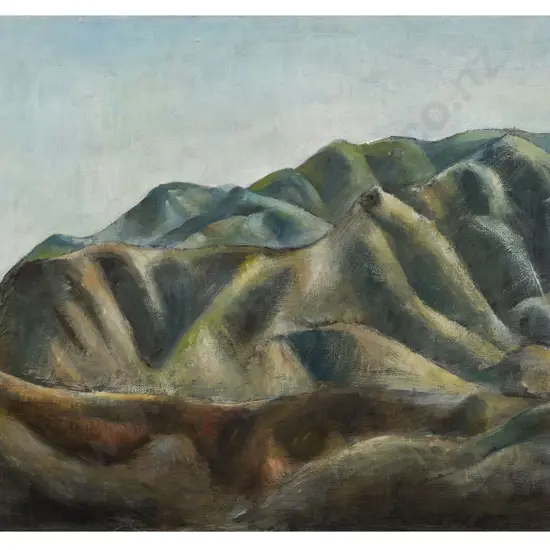
Melvin Day - Wellington Hills
Estimate: $5,000 - $8,000
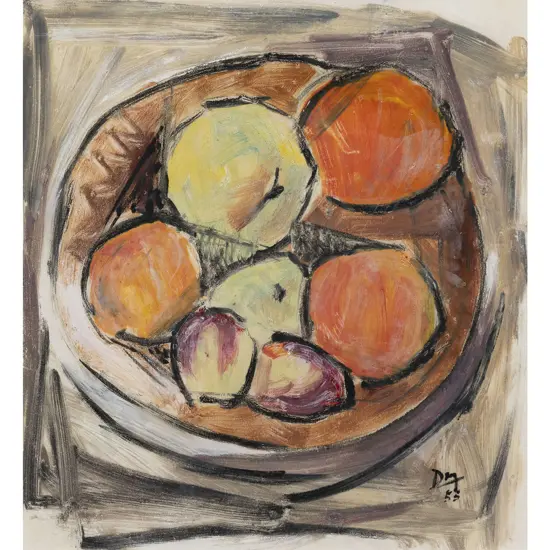
Melvin Day - Still Life with Fruit
Estimate: $2,000 - $4,000
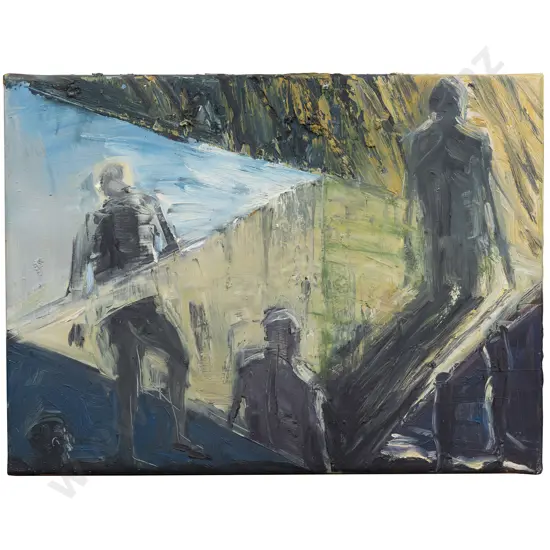
Euan MacLeod - Cube Landscape I
Estimate: $3,000 - $5,000
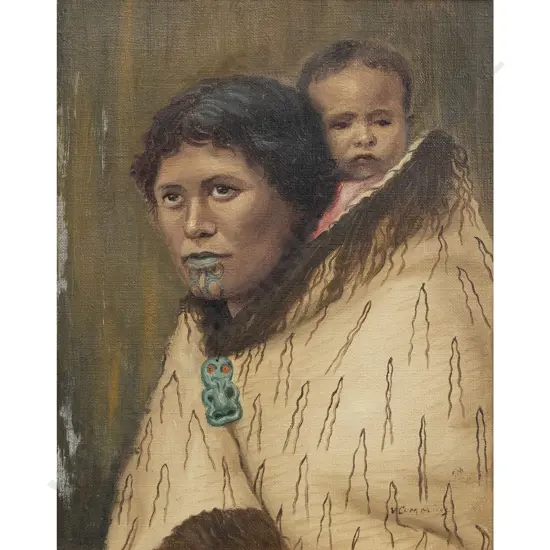
Vera Cummings - Portrait of a Maori Woman & Child
Estimate: $5,000 - $10,000
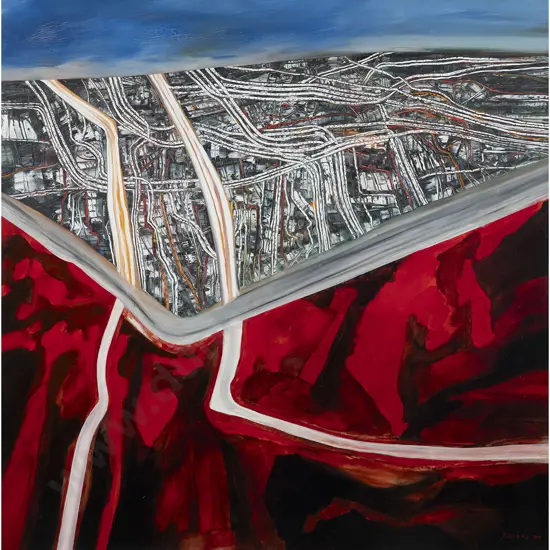
Robert Ellis - Motorway Journey
Estimate: $80,000 - $120,000
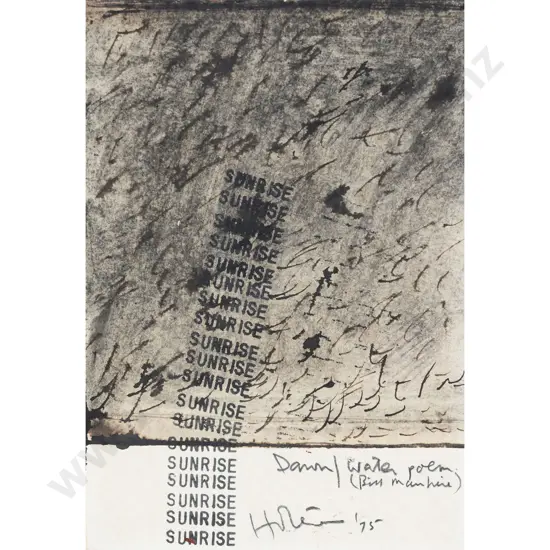
Ralph Hotere - Dawn/Water Poem (Bill Manhire)
Estimate: $10,000 - $15,000
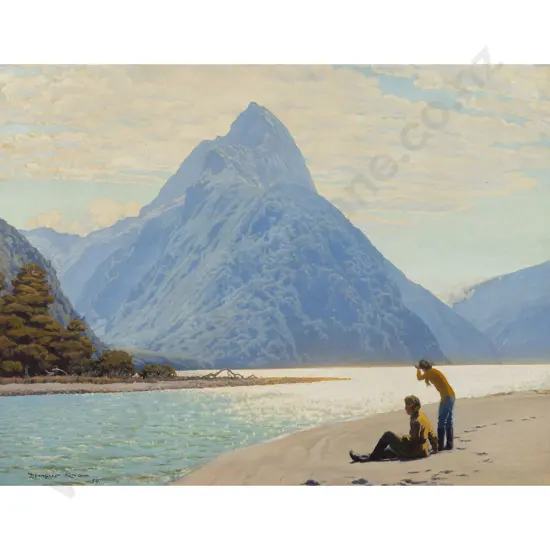
Marcus King - Mitre Peak
Estimate: $6,000 - $10,000
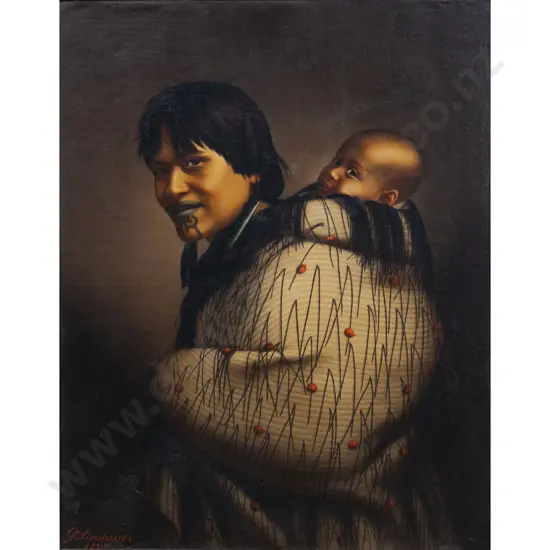
Gottfried Lindauer - Heeni Hirini (Ana Rupene) and Child
Estimate: $250,000 - $350,000
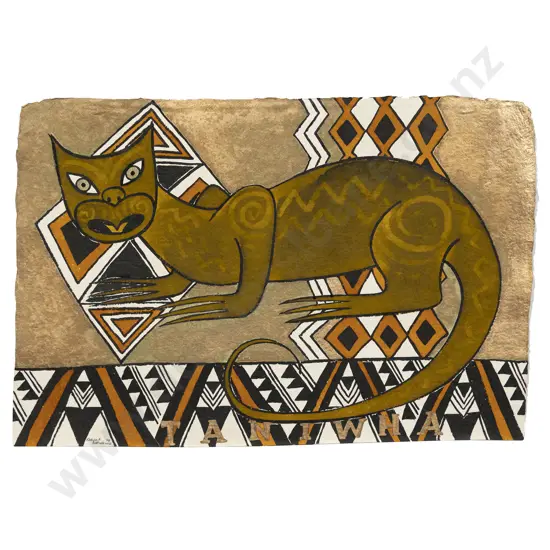
Robyn Kahukiwa - Taniwha
Estimate: $8,000 - $12,000
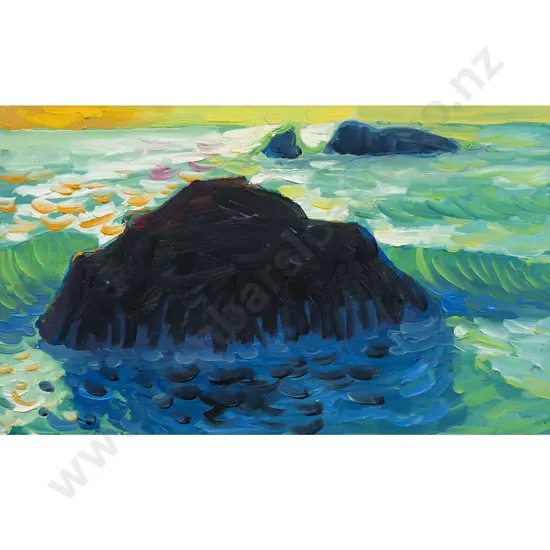
Michael Smither - Island off Back Beach
Estimate: $7,000 - $12,000
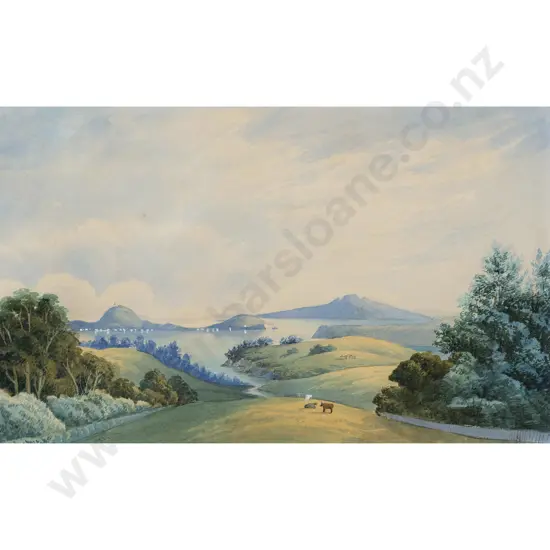
John Barr Clarke Hoyte - View of Auckland Looking towards Rangitoto
Estimate: $5,000 - $10,000
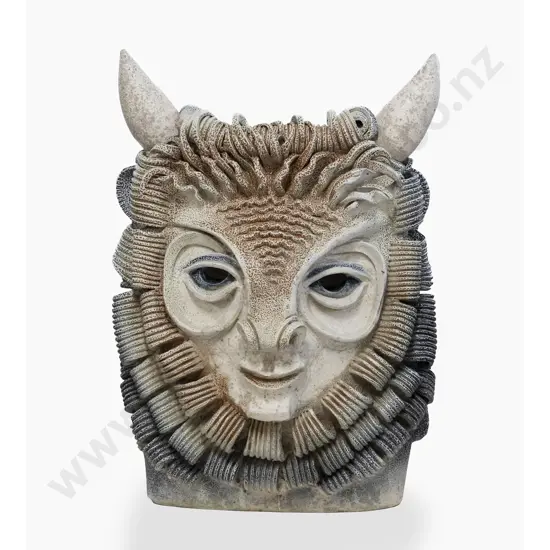
Roy Cowan Minotaur Head Garden Sculpture
Estimate: $10,000 - $15,000
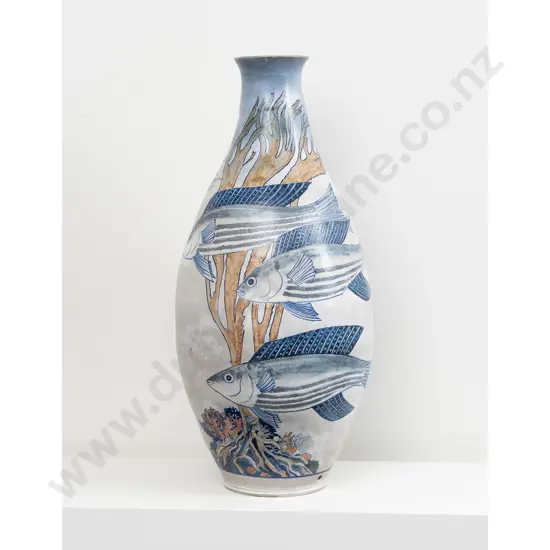
Roy Cowan Floor Vase
Estimate: $2,000 - $4,000
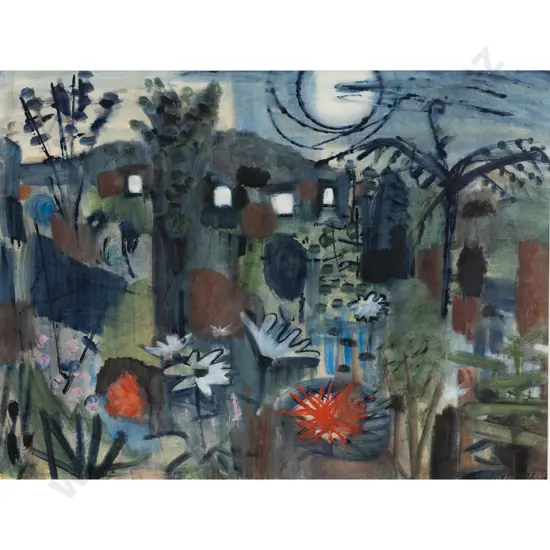
Juliet Peter - Easter Moon
Estimate: $10,000 - $15,000
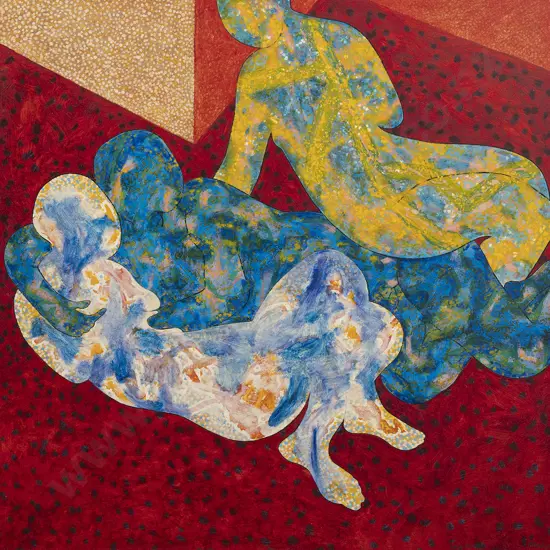
Pat Hanly - Love Scene
Estimate: $80,000 - $150,000
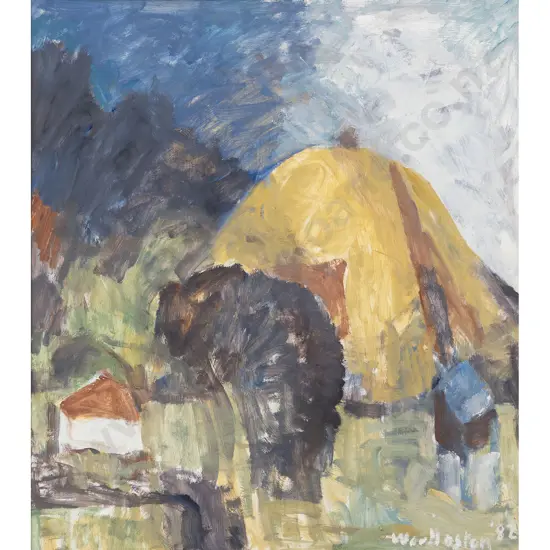
Toss Woollaston - Pah Hill - Riwaka
Estimate: $20,000 - $30,000
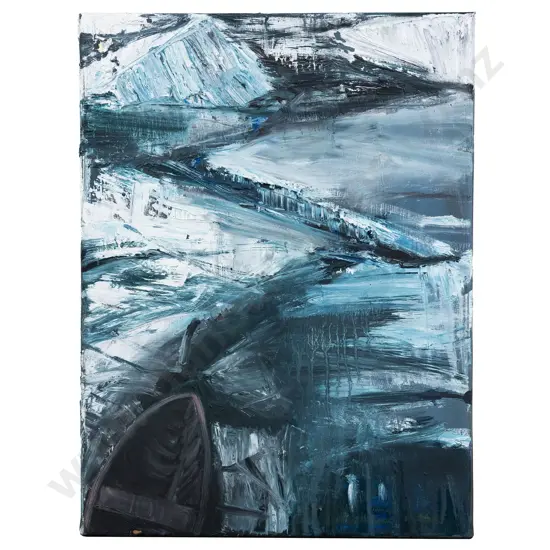
Euan MacLeod - Boat & Icebergs
Estimate: $3,000 - $5,000
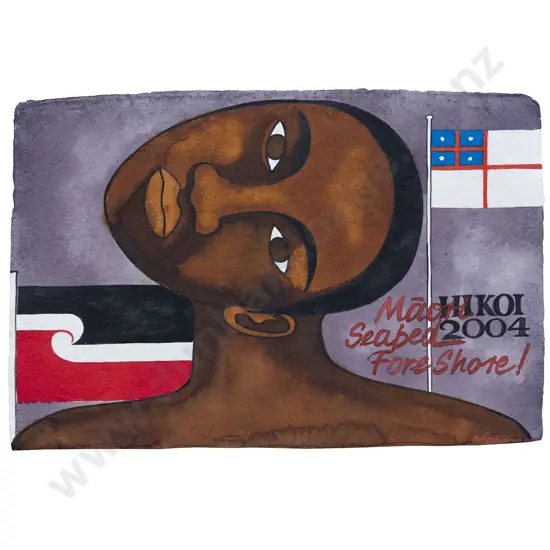
Robyn Kahukiwa - Hikoi 2004
Estimate: $8,000 - $12,000
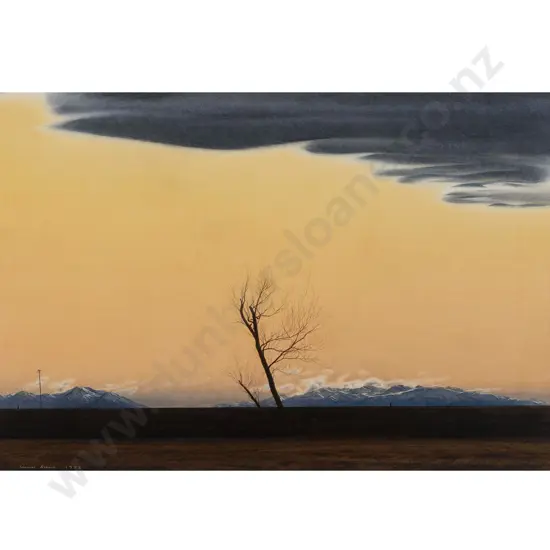
Grahame Sydney - Westerley Change
Estimate: $40,000 - $60,000
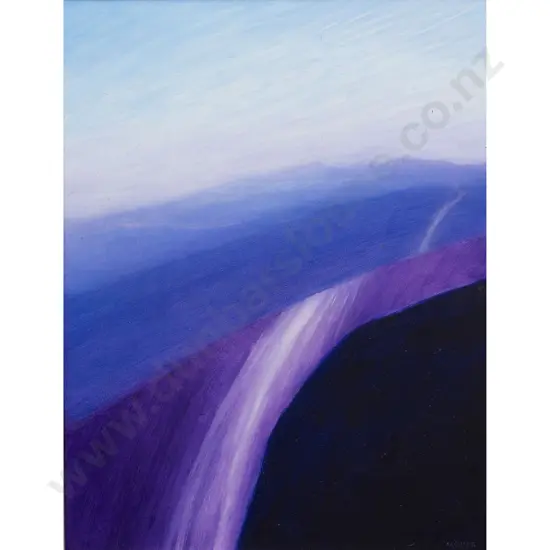
Lois McIvor - Taoist Landscape with Waterfall
Estimate: $2,000 - $4,000
