Fine Art Including The Sir Robert Jones Estate Thursday, 26 March 2026 / 6:00 pm start
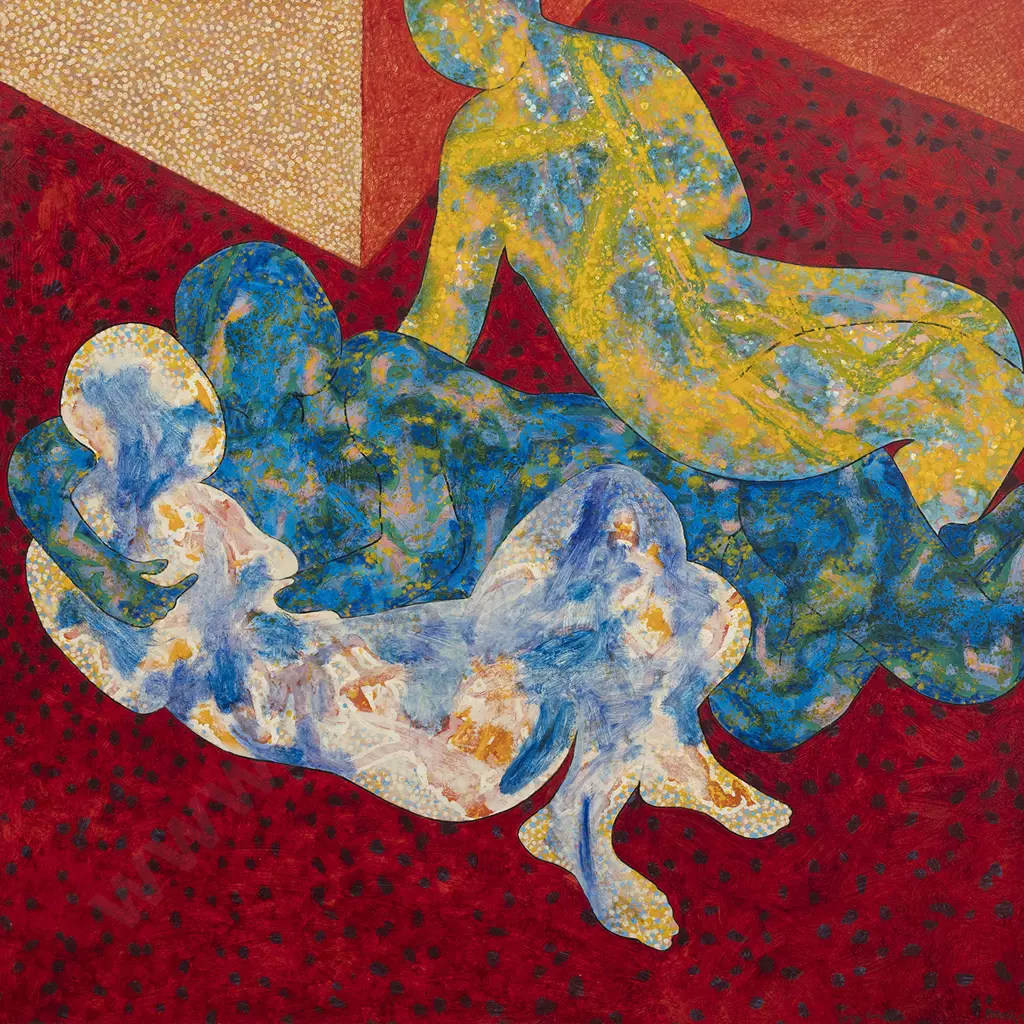
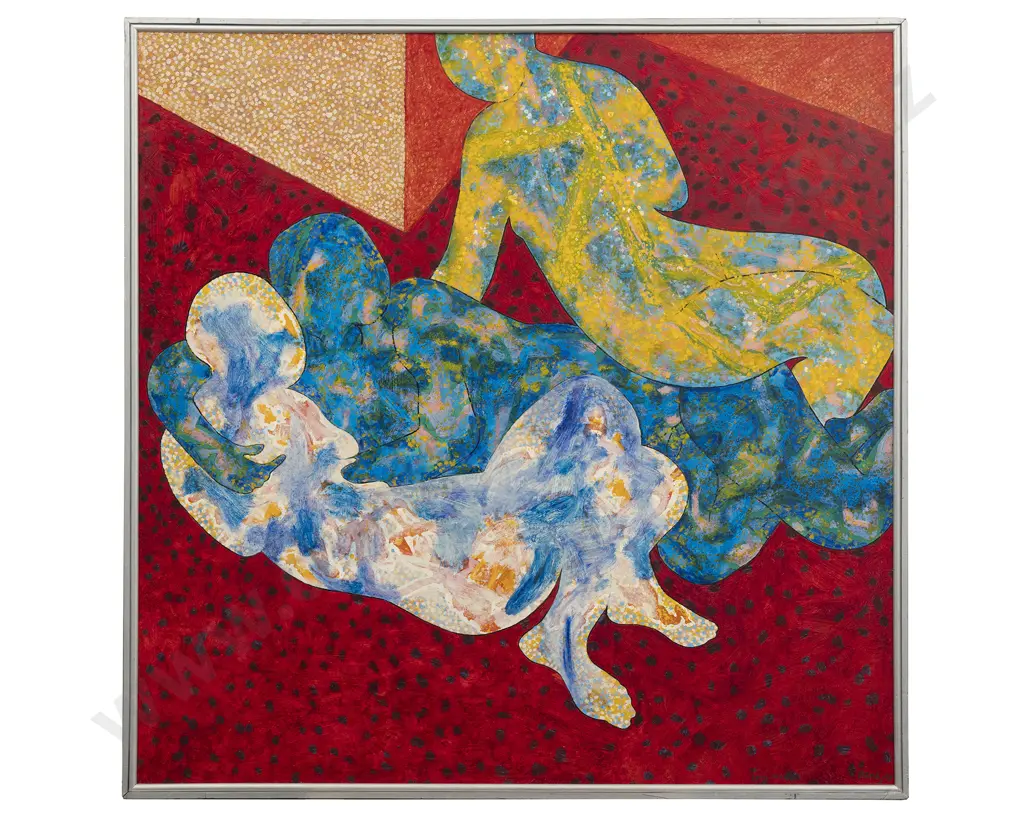
Pat Hanly - Love Scene
Realised: $80,000 plus premium
Lot Details
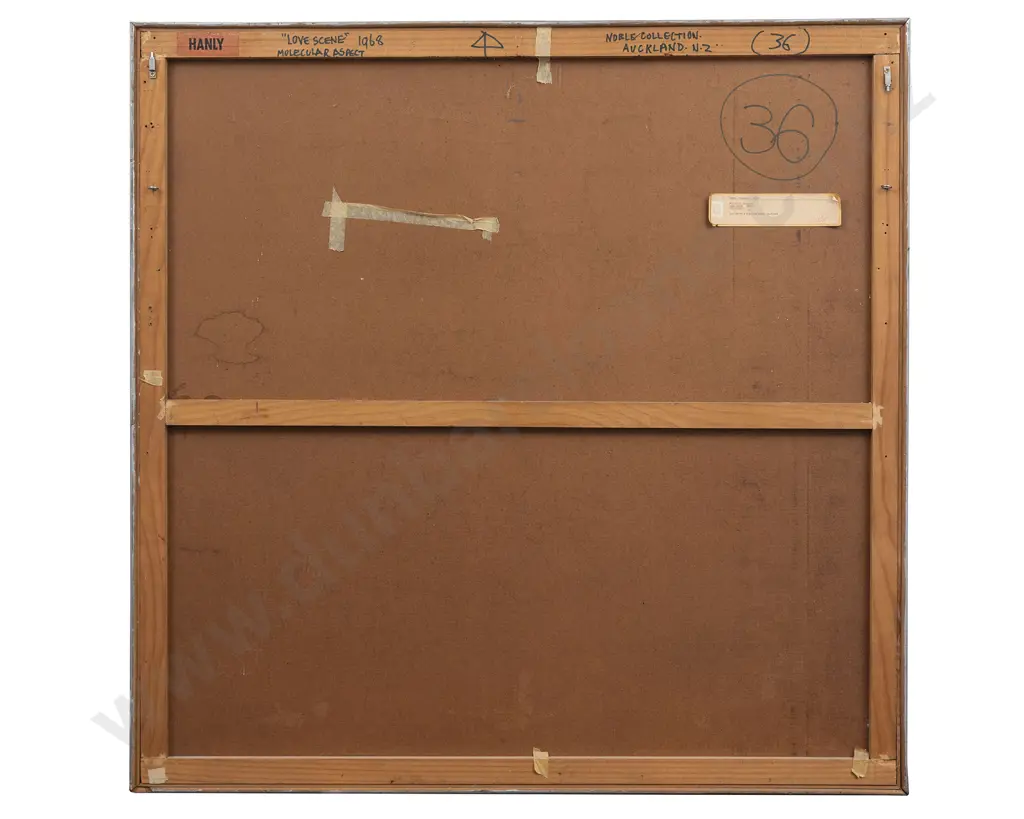
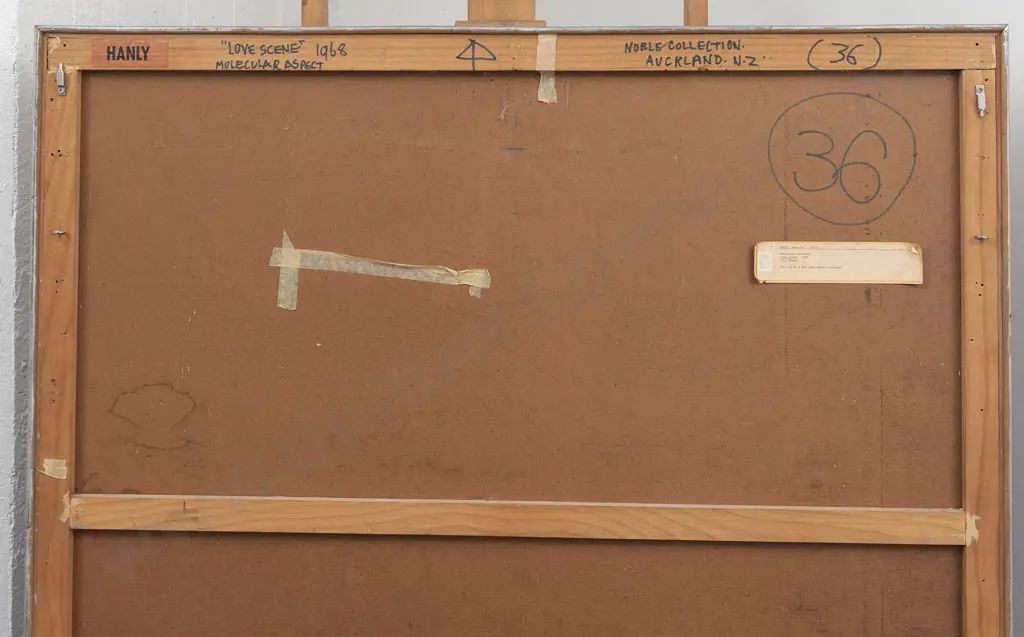
Pat Hanly (1932 - 2004) Love Scene oil and enamel on hardboard signed & dated '68 lower right 1205 x 1205mm Provenance Estate of Sir Robert Jones Exhibited Creation Works | Barry Lett Galleries, 1971 Pat Hanly Retrospective | Dowse Art Museum and Christchurch Art Gallery, 1974 ‘I am trying genuinely to love everyone and can see now that is all there is and if one could succeed in this thing alone there will be peace and understanding in my heart.’ It’s 1968, and Patrick Hanly’s father, Jim, has recently died of a heart attack. Following his father’s death, Hanly suffered from depressive episodes and was considering his own mortality with recent heart palpitations. Perhaps it is in the essays of Meher Baba’s and D. T. Suzuki’s essays of Zen Buddhism where Hanly found solace in his grief. However, more notably, Hanly discovered Buddhism’s core tenant of love as continual practice of compassion and kindness, not just to lovers, but to everyone. This belief profoundly impacted Hanly through his outlook on his personal life, as well as altering his painting practice. Following an LSD experience in February of 1968, Hanly began his “Molecular Aspect” series. Included in the group is the monumental Love Scene (1968). It is Hanly’s only work he ever meticulously recorded executing in his personal journal. Step by step, he took inspiration from a print in a 17th century Japanese “Pillow Book” and made it his own, painting his figures in stages with particularly random or chosen colours to represent their individual chemistry but similar molecular makeup. Henri Matisse and Jackson Pollock’s work certainly influenced Hanly’s “Molecular Aspect” series. Raw outlines of reclining figures, reminiscent of Matisse’s “Bathers” works which took influence from the subjects of Japanese woodblocks. Meanwhile Hanly borrows Pollock’s drip technique to convey the depth of molecules found in every individual. Hanly began practicing intentional passivity after his father’s heart attack, which ultimately revolutionised his practice – fittingly also recorded in his journal dated 6 March 1967 were the two words; ‘NO RULES.’ He was able to break down his composition to its basic molecular makeup and reconstruct them through mindfulness; ‘I have been to the ends of the earth and the beginning of the universe seeing or understanding the possibility of all aspects, fantastic in simplicity and wholesomeness, real and definite. I am less afraid now.’ Lily McCowan
Other items you may like from this sale
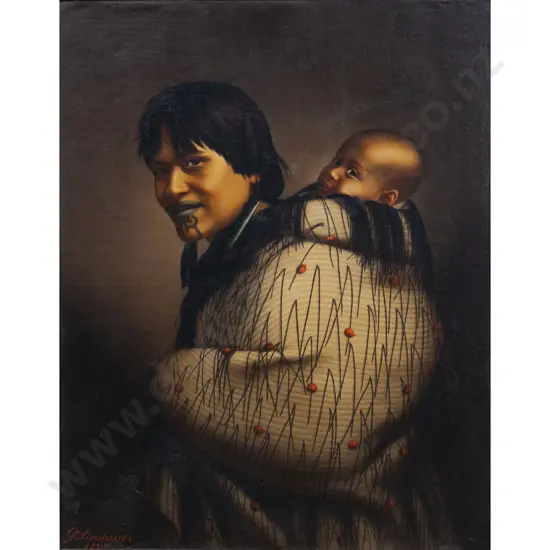
Gottfried Lindauer - Heeni Hirini (Ana Rupene) and Child
Estimate: $250,000 - $350,000
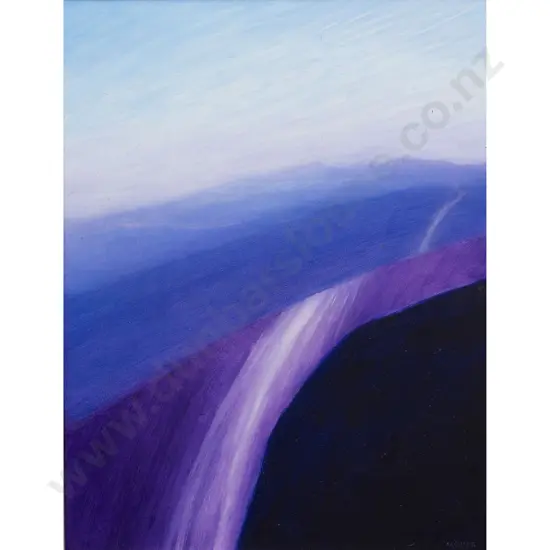
Lois McIvor - Taoist Landscape with Waterfall
Estimate: $2,000 - $4,000
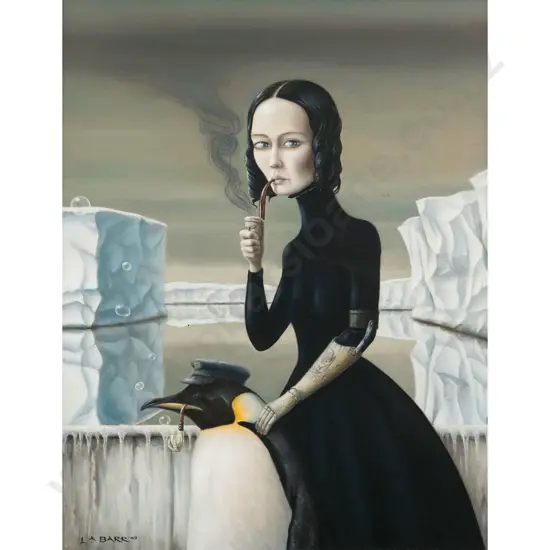
Liam Barr - Faethm
Estimate: $5,000 - $8,000
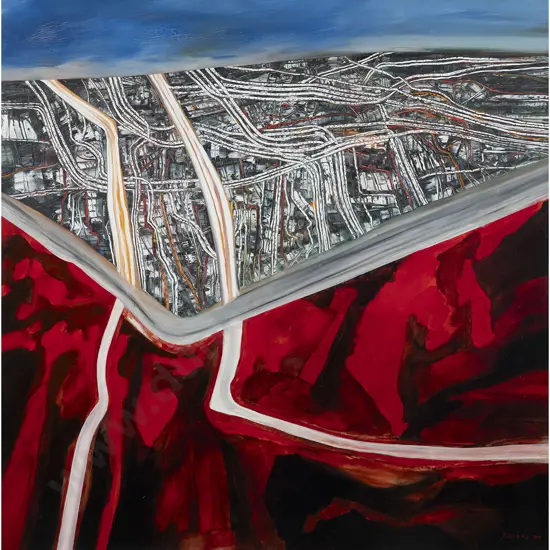
Robert Ellis - Motorway Journey
Estimate: $80,000 - $120,000
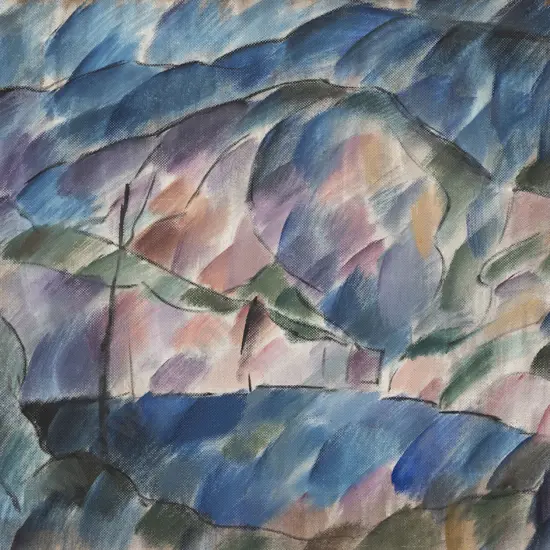
Melvin Day - Waimangu
Estimate: $6,000 - $10,000
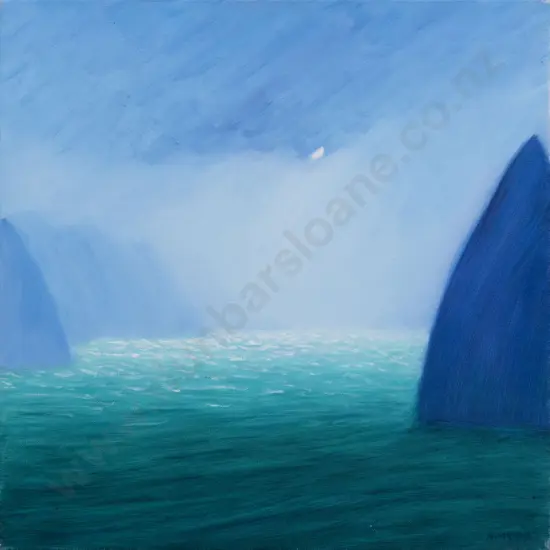
Lois McIvor - Passage I
Estimate: $2,000 - $4,000
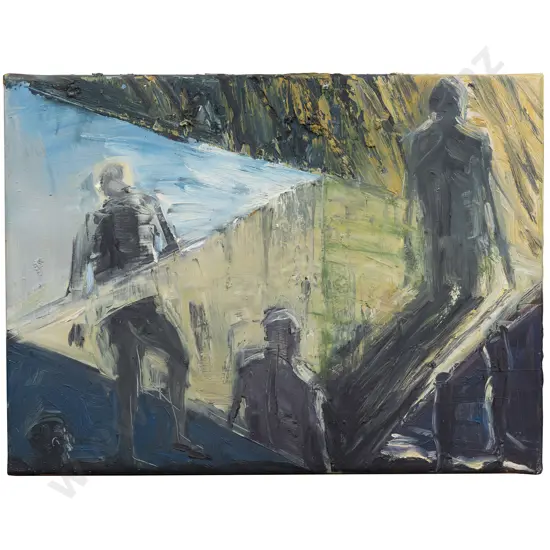
Euan MacLeod - Cube Landscape I
Estimate: $3,000 - $5,000
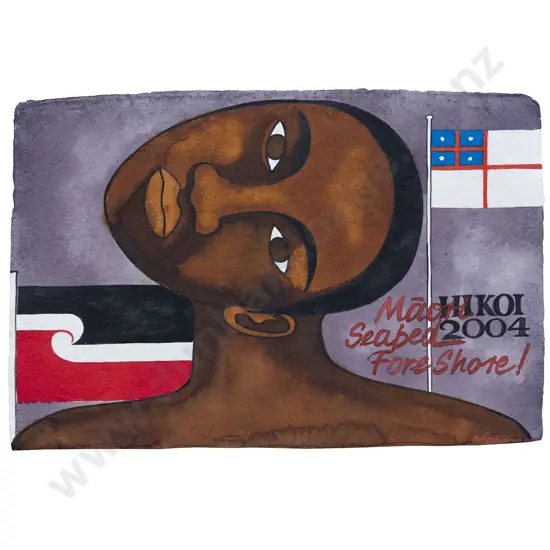
Robyn Kahukiwa - Hikoi 2004
Estimate: $8,000 - $12,000
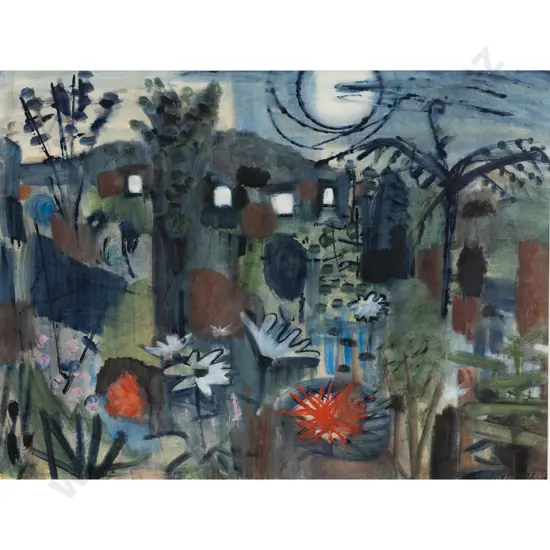
Juliet Peter - Easter Moon
Estimate: $10,000 - $15,000
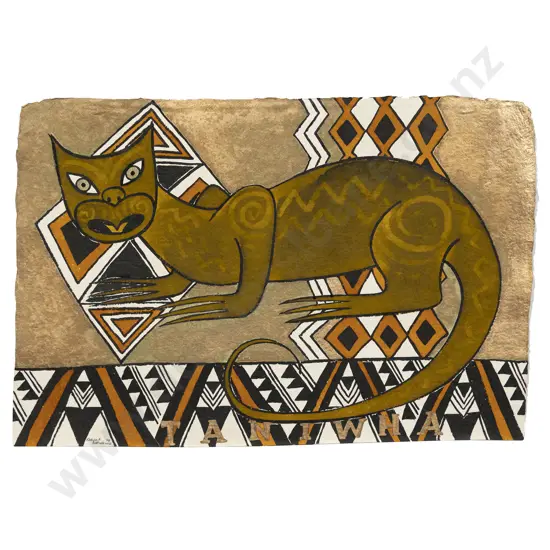
Robyn Kahukiwa - Taniwha
Estimate: $8,000 - $12,000
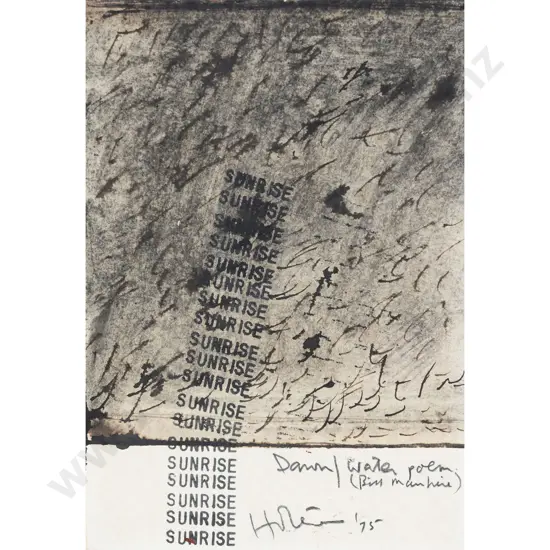
Ralph Hotere - Dawn/Water Poem (Bill Manhire)
Estimate: $10,000 - $15,000
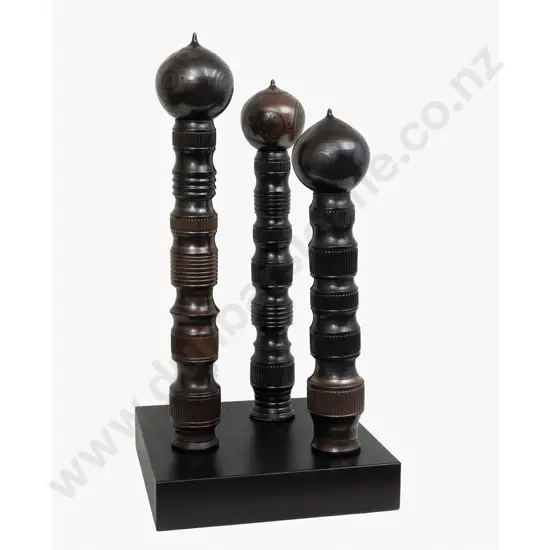
Anneke Borren Ceramic Totem Sculpture
Estimate: $2,000 - $4,000
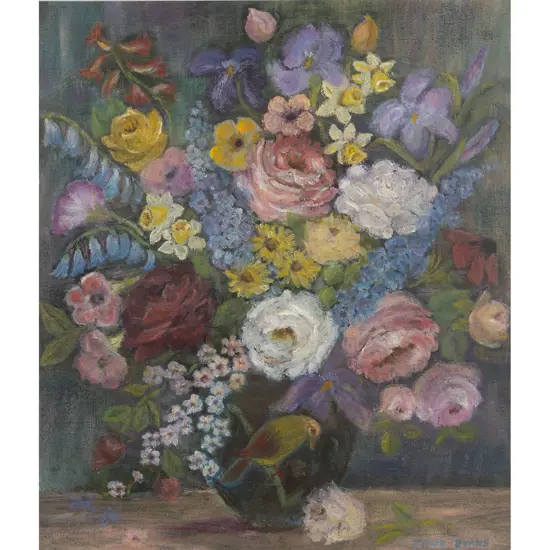
Jane Evans - Floral Still Life
Estimate: $1,000 - $2,000
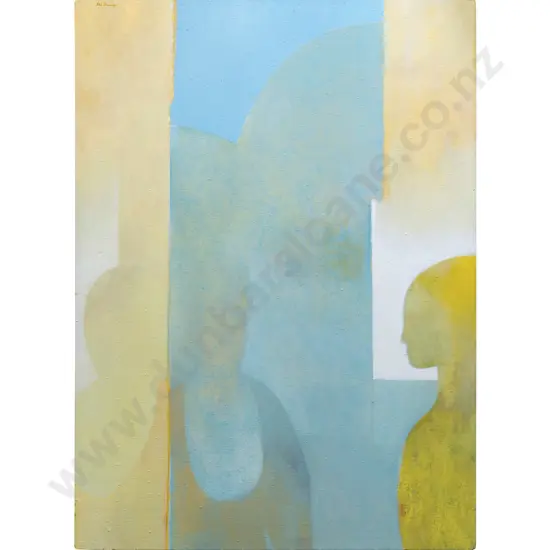
John Drawbridge - Two Women
Estimate: $6,000 - $10,000
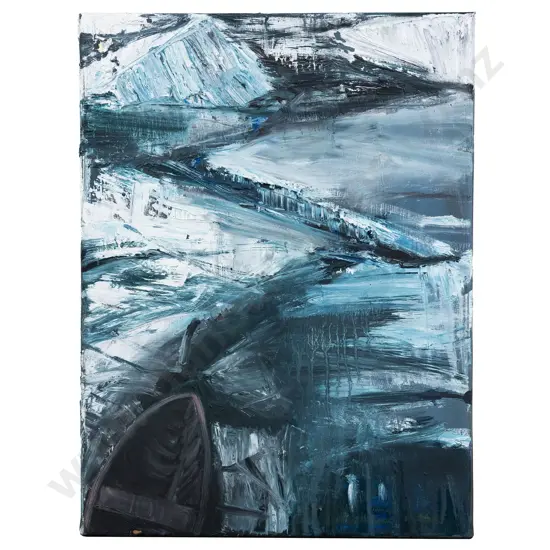
Euan MacLeod - Boat & Icebergs
Estimate: $3,000 - $5,000
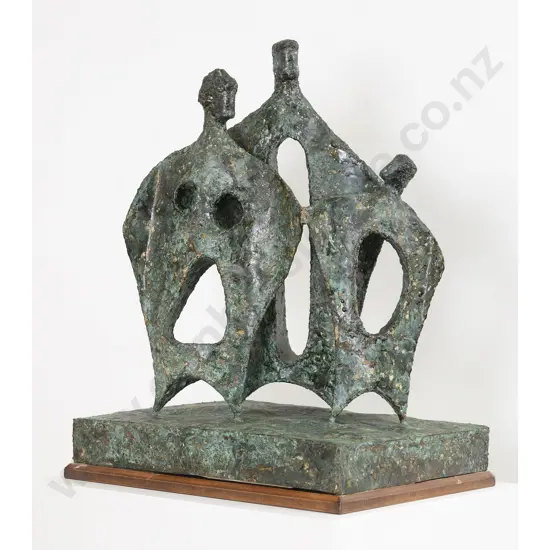
Alan Ingham (Attributed) - Family Group
Estimate: $5,000 - $10,000
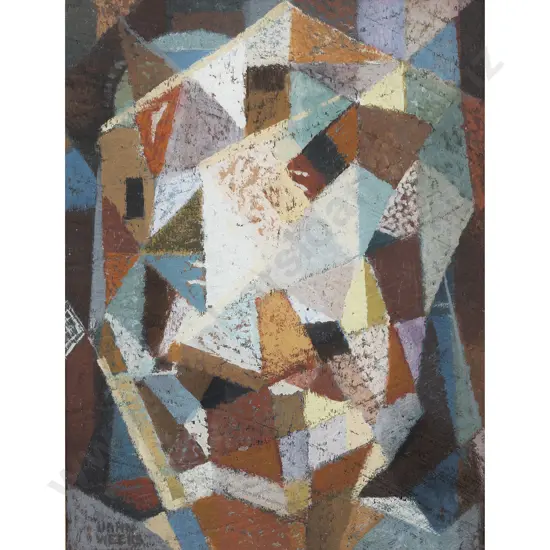
John Weeks - Orchestration of Colour & Shape
Estimate: $4,000 - $6,000
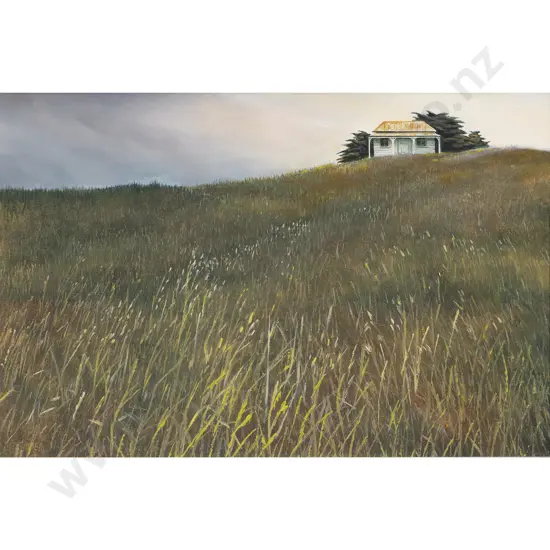
Peter Siddell - House and Grass
Estimate: $10,000 - $15,000
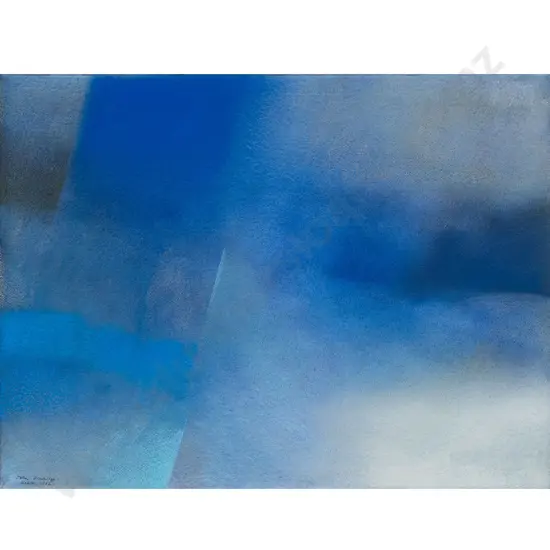
John Drawbridge - South Coast
Estimate: $4,000 - $8,000
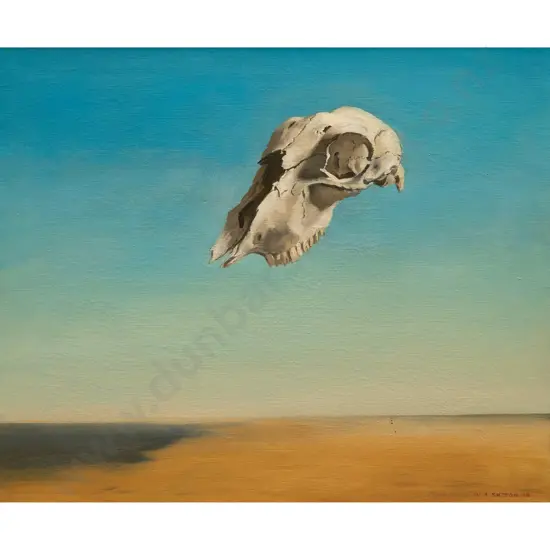
Bill Sutton - Bone and Shadow
Estimate: $45,000 - $65,000
