Fine Art Including The Sir Robert Jones Estate Thursday, 26 March 2026 / 6:00 pm start
Robert Ellis - Motorway Journey
Realised: $70,000 plus premium
Lot Details
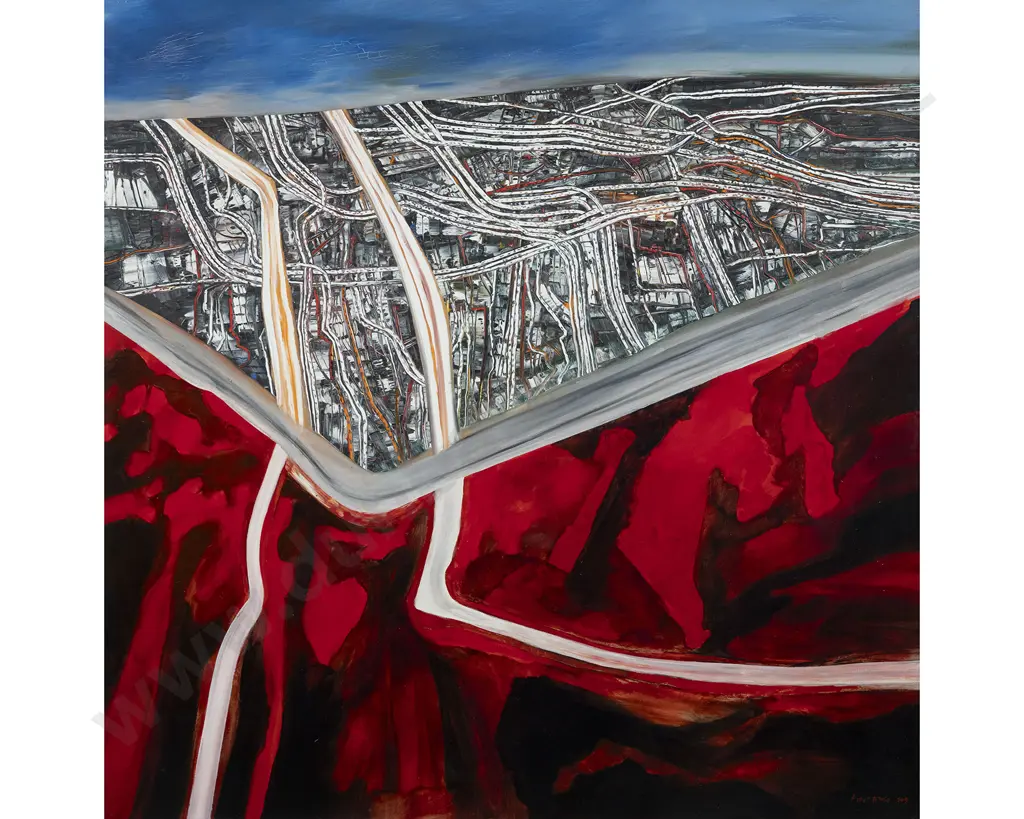
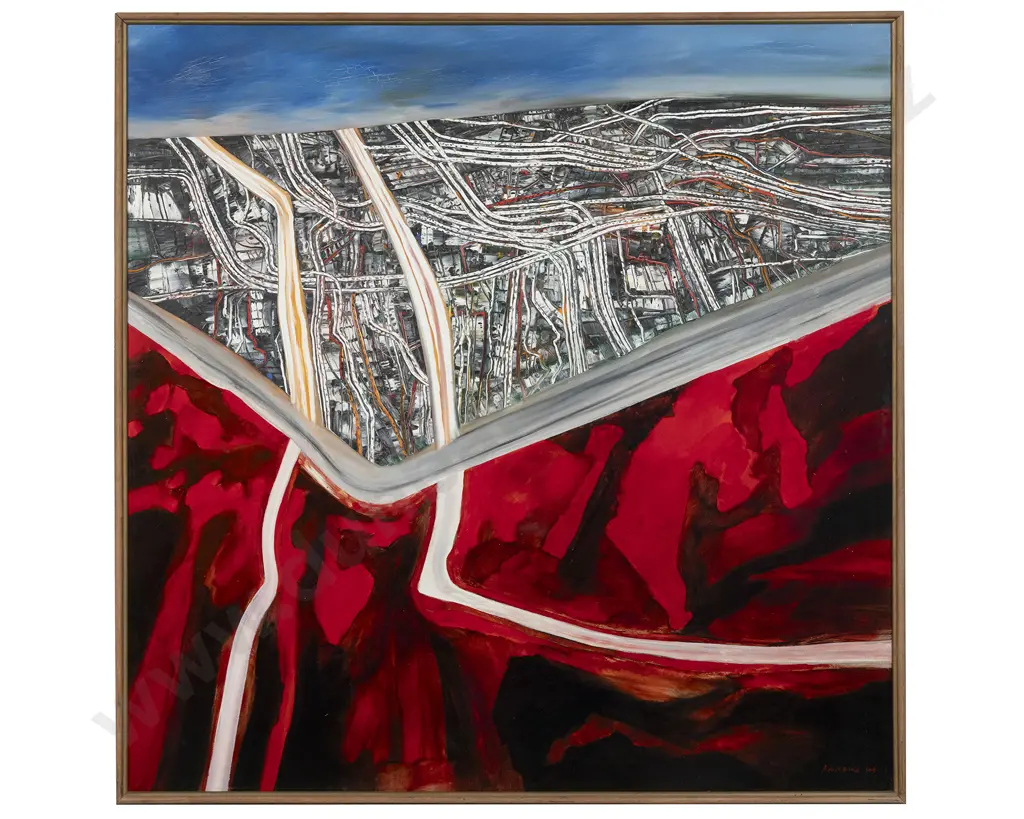
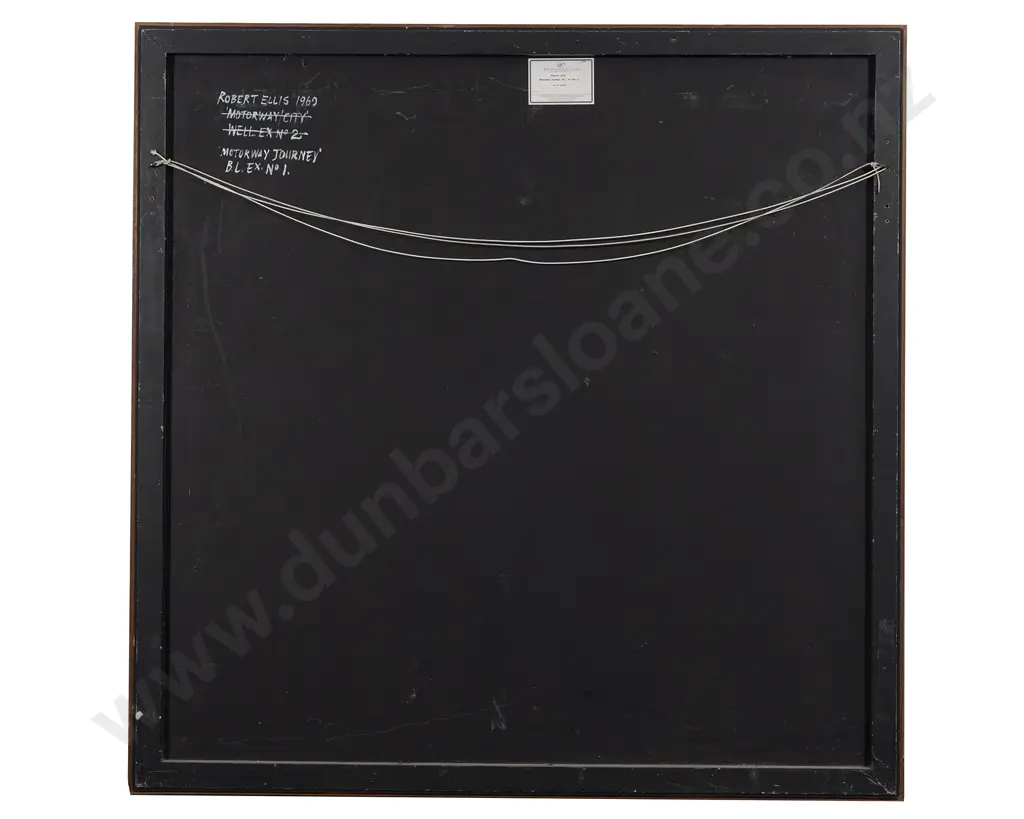
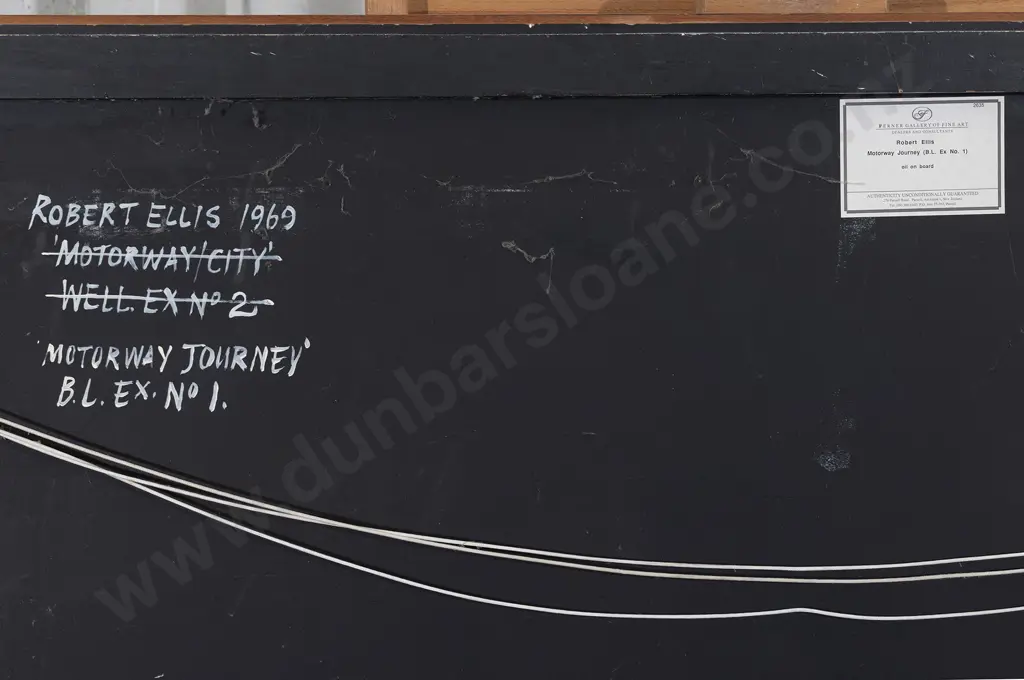
Robert Ellis (1929 - 2021) Motorway Journey oil on board signed & dated 1969 lower right; Ferner Galleries label affixed verso 1200 x 1200mm Provenance Estate of Sir Robert Jones In 1957, when Robert Ellis emigrated to New Zealand, London‘s population was more than double the entire population of our island nation. An opportunity to rebuild after the Blitz, the highways above ground and tube below became the essential “circulatory” system for the body of London city. Delayed in developing its own infrastructure, Robert lived in Auckland with his wife Elizabeth Aroha Mountain and daughters Ngarino and Hana. They were witness to the city’s industrialisation, especially as Robert learned to drive on Auckland’s new motorways and commute into work to lecture at Elam School of Fine Arts. What is at stake when an artist transplants himself into a country, into an art history? What does he bring with him, and what does he take? Heavily inspired by Māoritanga through his wife Elizabeth, Ellis’ works sought to bring together the iconography of Māori and Pākehā culture to promote biculturalism. His adaption of Māori weaving forms with his motorways demonstrates this unification visually. The vantage point is unique in the space it occupies in New Zealand’s art history. Painted as if above Auckland, the motorways stretch across the horizon like scars upon skin. Before his transition to New Zealand, Ellis was stationed in the RAF Photographic Unit for two years after World War Two. The images released which were taken by Ellis reveal the wreckage from ceaseless bombings, bringing other kinds of damage to the landscape. This vantage point became essential for the “Motorway Journey” series. Painted in 1969, many works in the Motorway Journey series juxtaposes the landscape meeting between suburb and bush, a dualistic encounter often painted by Ellis through dramatically lush greens to man-made reds, blacks and oranges to demonstrate what this landscape could look like without motorways. But here, almost as a last resort, Ellis has soaked the foreground in red to represent the bleeding of the land, or a scorched earth. We are far beyond what would have been if not for human interference. Lily McCowan
Other items you may like from this sale
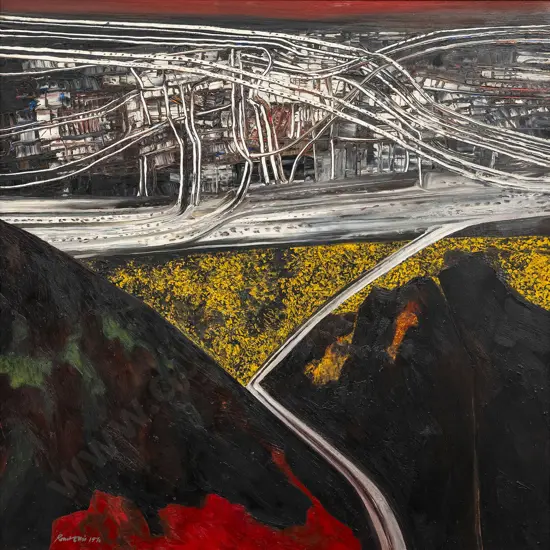
Robert Ellis - Motorway Journey
Estimate: $30,000 - $50,000
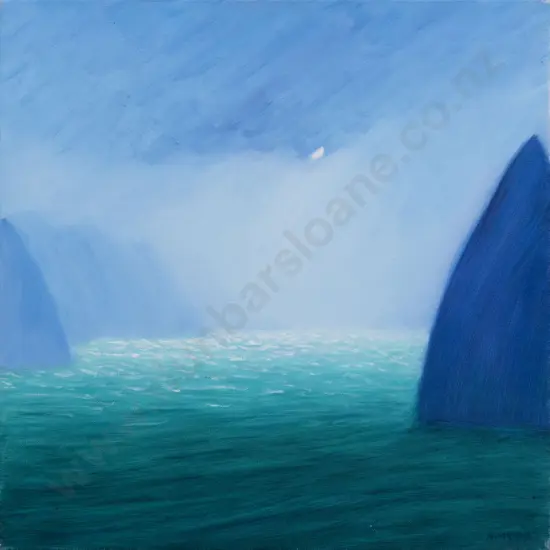
Lois McIvor - Passage I
Estimate: $2,000 - $4,000
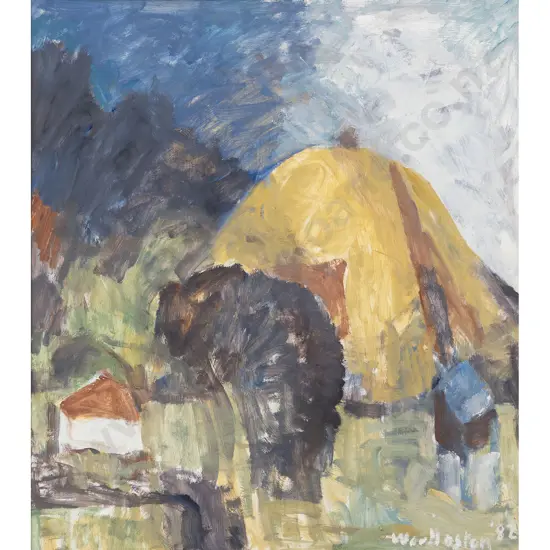
Toss Woollaston - Pah Hill - Riwaka
Estimate: $20,000 - $30,000
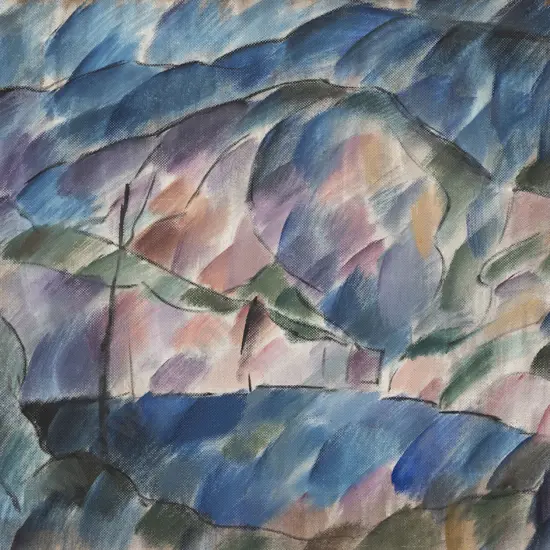
Melvin Day - Waimangu
Estimate: $6,000 - $10,000
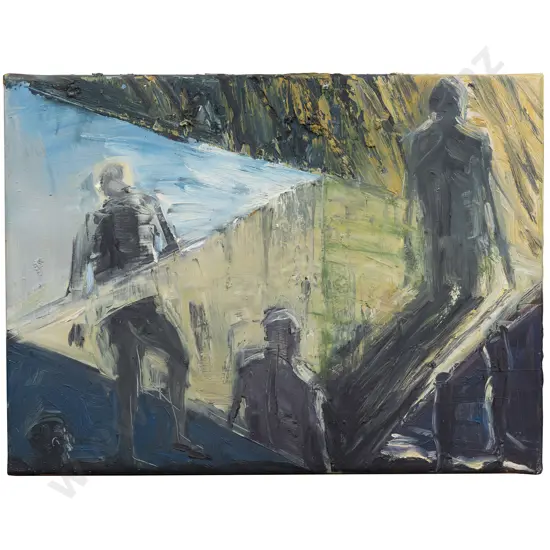
Euan MacLeod - Cube Landscape I
Estimate: $3,000 - $5,000
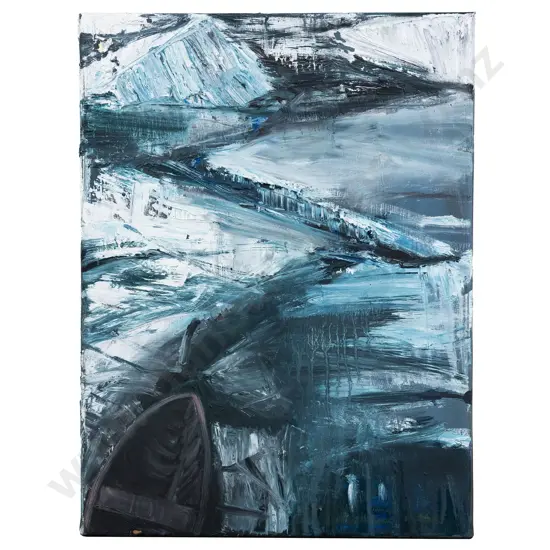
Euan MacLeod - Boat & Icebergs
Estimate: $3,000 - $5,000
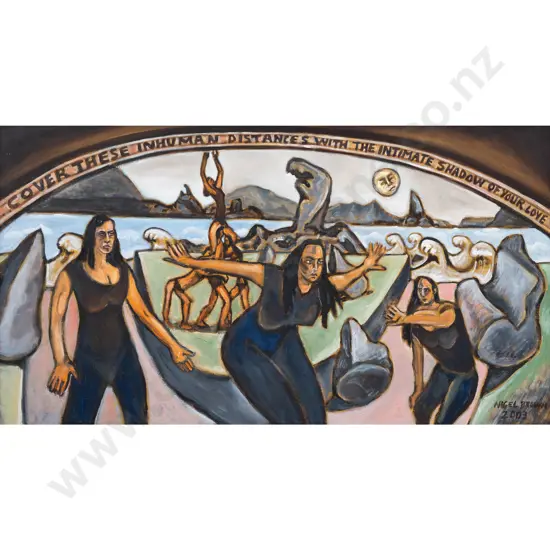
Nigel Brown - Cover These Inhuman Distances
Estimate: $8,000 - $12,000
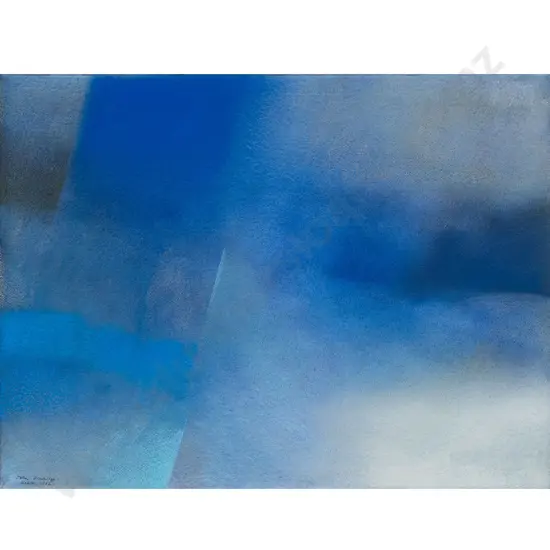
John Drawbridge - South Coast
Estimate: $4,000 - $8,000
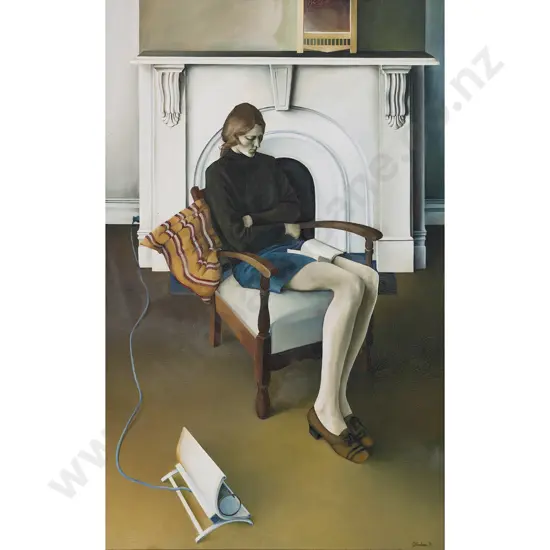
Glenda Randerson - Untitled Portrait
Estimate: $4,000 - $8,000
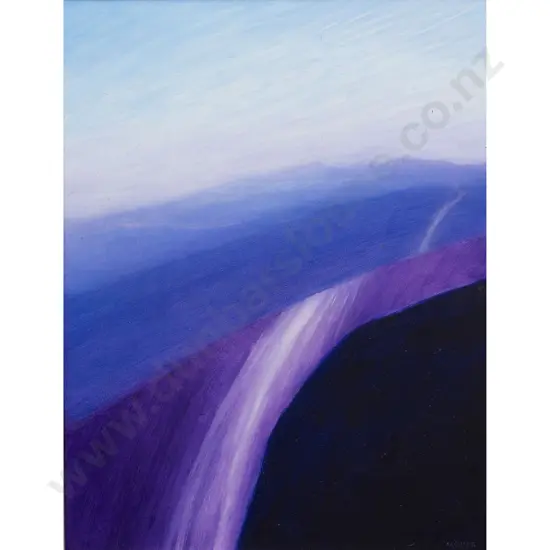
Lois McIvor - Taoist Landscape with Waterfall
Estimate: $2,000 - $4,000
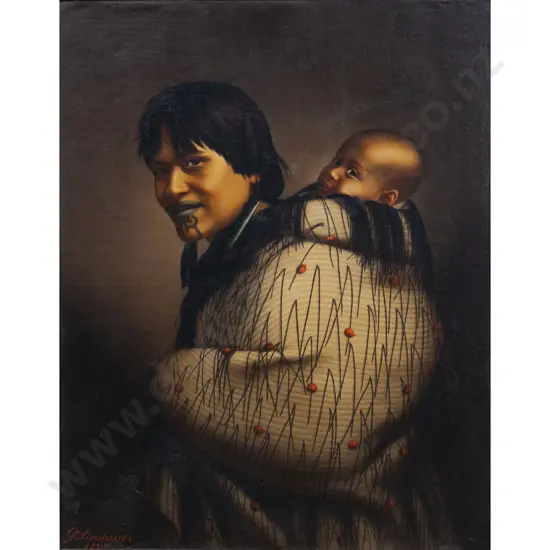
Gottfried Lindauer - Heeni Hirini (Ana Rupene) and Child
Estimate: $250,000 - $350,000
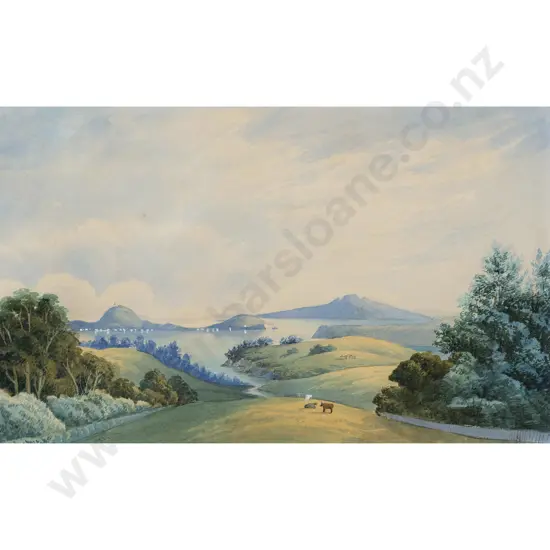
John Barr Clarke Hoyte - View of Auckland Looking towards Rangitoto
Estimate: $5,000 - $10,000
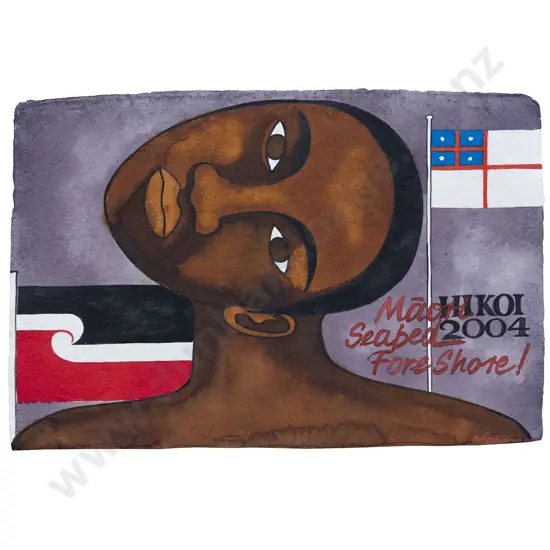
Robyn Kahukiwa - Hikoi 2004
Estimate: $8,000 - $12,000
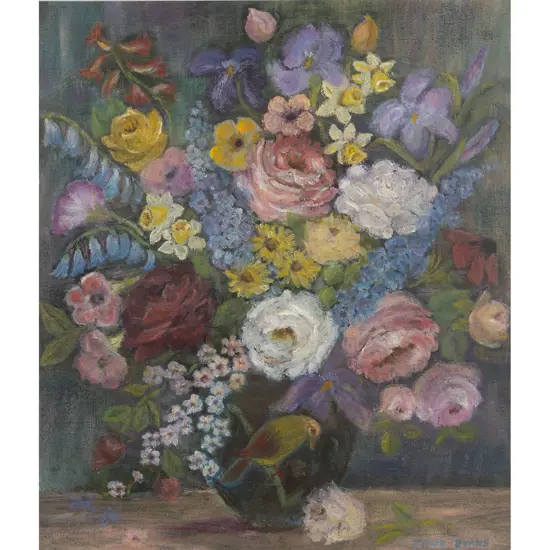
Jane Evans - Floral Still Life
Estimate: $1,000 - $2,000
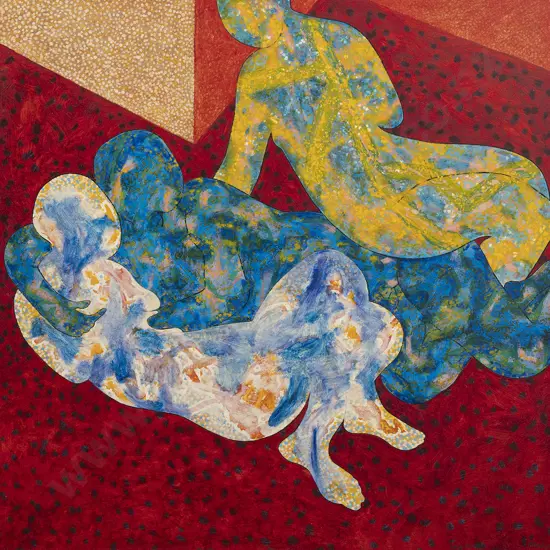
Pat Hanly - Love Scene
Estimate: $80,000 - $150,000
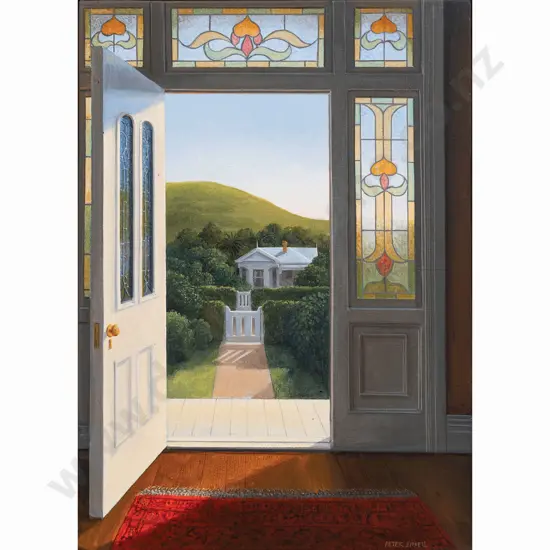
Peter Siddell - Red Carpet
Estimate: $15,000 - $25,000
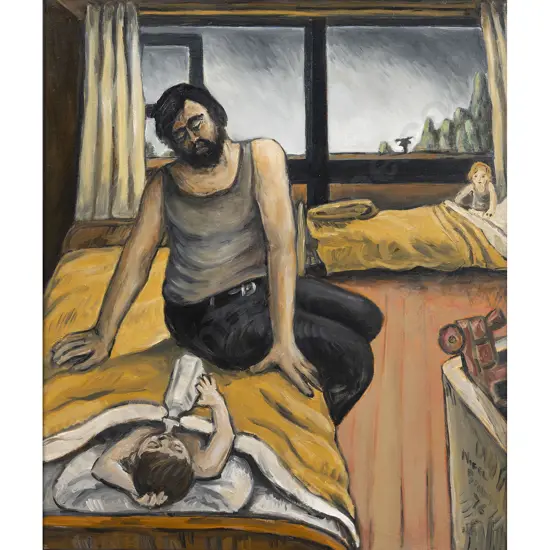
Nigel Brown - Bedroom Painting 2
Estimate: $8,000 - $12,000
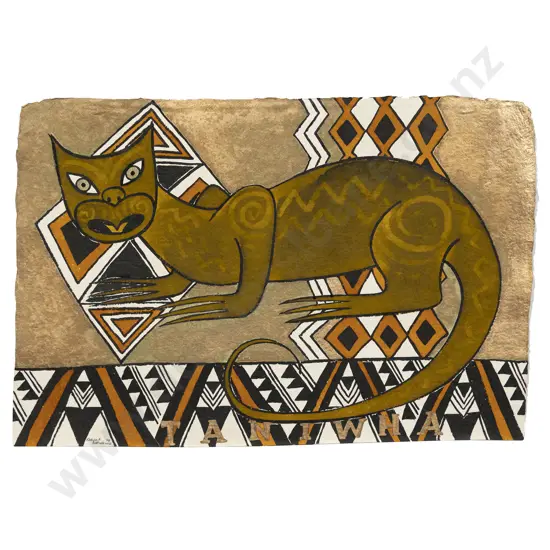
Robyn Kahukiwa - Taniwha
Estimate: $8,000 - $12,000
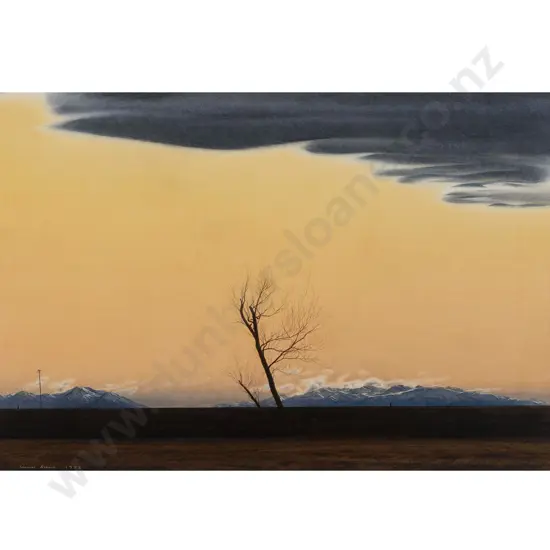
Grahame Sydney - Westerley Change
Estimate: $40,000 - $60,000
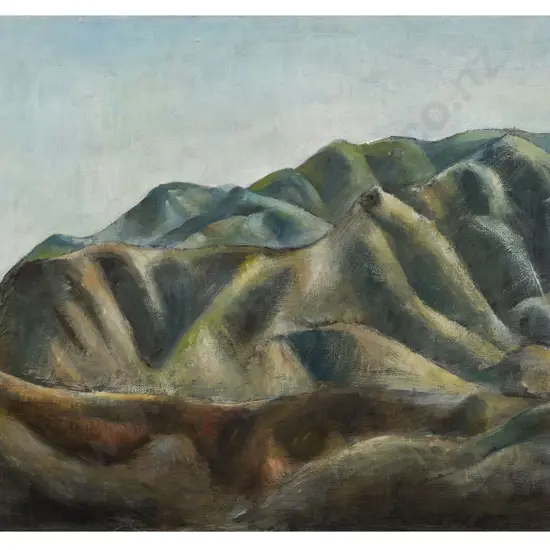
Melvin Day - Wellington Hills
Estimate: $5,000 - $8,000
